

Progenifix Review: NMN, NAD+ Benefits, Ingredients & Real Results
Complete Progenifix review covering NMN research, NAD+ benefits, ingredients, pros, cons, and expected results. Is it worth it in 2026?
Compare Progenifix with other NMN and NR supplements. See ingredients, benefits, and real results in this detailed Progenifix review.
Everything You Need to Know About NMN, NAD+ Decline, and Whether Progenifix Is the Right Cellular Health Supplement for You in 2026
If you have spent any time in the longevity supplement space over the past five years, you have encountered the acronyms NMN and NAD+. They appear in peer-reviewed journals from Harvard, the Mayo Clinic, and EPFL. They feature in conversations among researchers like David Sinclair, Johan Auwerx, and Charles Brenner. And they appear on the label of Progenifix — a supplement that claims to address cellular energy production and age-related biological decline.

The question most people can’t easily answer is: does any of this actually translate to real benefit when you swallow a capsule every morning?
👉 Before You Spend Another Day Feeling Drained… See What This 90-Day Shift Did
This guide cuts through the complexity. We will explain what NAD+ is and why its decline matters, what NMN specifically does and how its human trial data compares to other supplements in its category, how Progenifix’s full formula addresses the biology, and what an informed person should expect if they commit to a 90-day trial.
This is not hype. It is biology, research, and honest expectation-setting.
⚡ READY TO UNDERSTAND WHY PROGENIFIX’S NAD+ APPROACH IS DIFFERENT FROM STANDARD ENERGY SUPPLEMENTS?
See the Complete Progenifix Formula and Clinical Research Overview →
NAD+: The Molecule Your Energy System Cannot Function Without
Nicotinamide adenine dinucleotide (NAD+) is a coenzyme — a small molecule that works alongside enzymes to enable critical biochemical reactions. It exists in every living cell and participates in hundreds of metabolic reactions. Two of these functions are the most important for understanding why NAD+ decline matters to human health and performance:

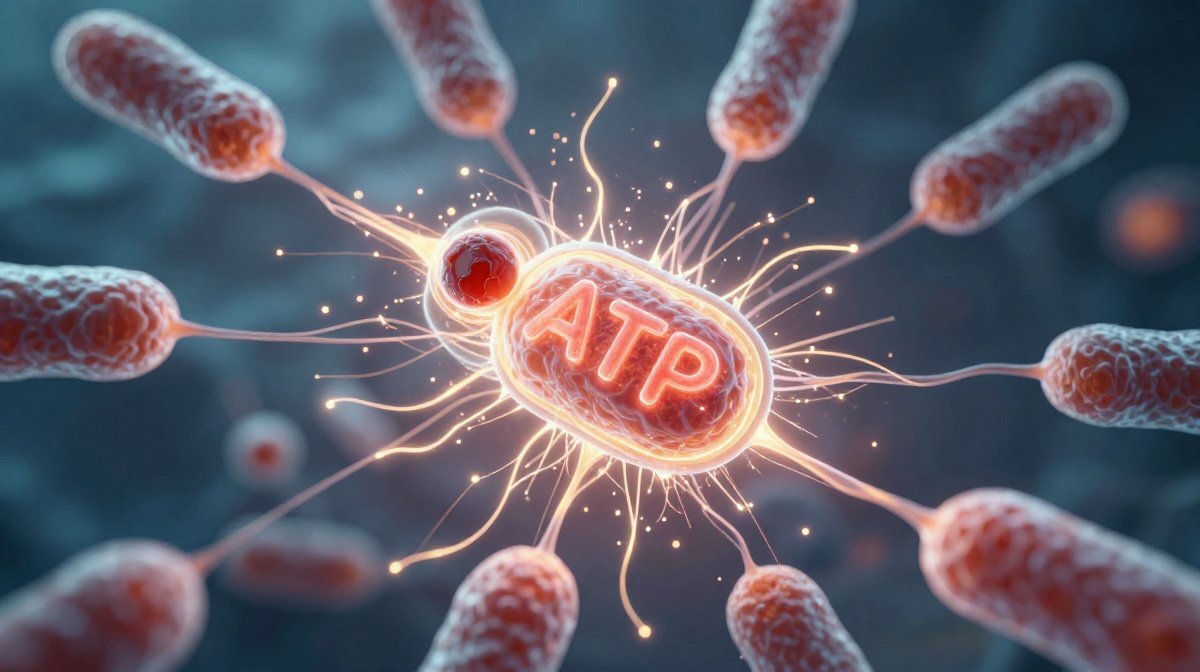
The energy production function: NAD+ acts as an electron carrier in the mitochondrial electron transport chain. When your body converts food into ATP — the energy currency that powers everything from muscle contraction to neural firing — NAD+ is the molecule that shuttles electrons between the steps of this process. Without sufficient NAD+, the efficiency of this conversion decreases, and cells produce less ATP from the same metabolic inputs. The practical consequence: less energy, worse endurance, slower recovery.
👉 Low Energy Isn’t Just Aging — Discover the Cellular Fix Here

The cellular maintenance function: NAD+ is the substrate (the necessary input) for a class of enzymes called sirtuins and PARPs. Sirtuins are nicknamed “longevity proteins” in the research literature — they regulate DNA repair, stress response, mitochondrial biogenesis, and inflammatory signalling. PARPs detect and repair DNA damage. Both enzyme classes consume NAD+ in the process of doing their work. When NAD+ is abundant, these maintenance systems function well. When it is depleted, cellular maintenance suffers.
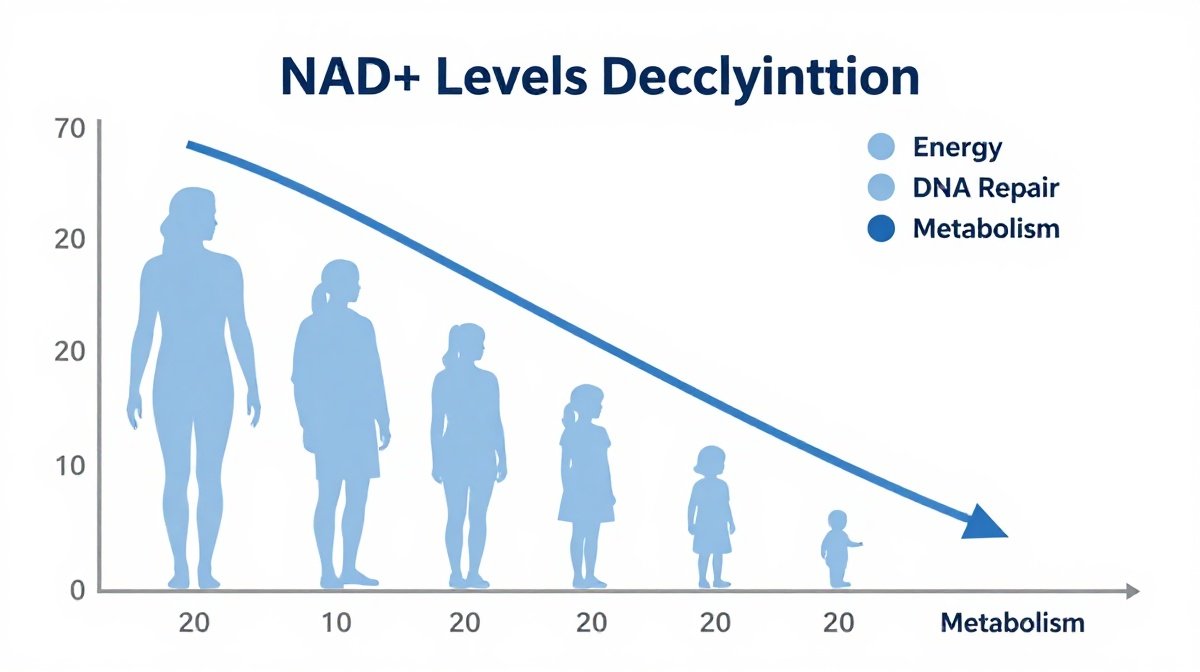
Here is the central problem that all NAD+-related supplements are designed to address: NAD+ levels decline substantially with age.
A landmark study published in Cell Metabolism documented that NAD+ concentrations in human and animal tissue fall markedly between young adulthood and middle age — in some tissues by 50% or more. Research from the Auwerx laboratory at EPFL showed that this NAD+ decline in skeletal muscle directly impairs mitochondrial function and physical performance in aged animals, and that restoring NAD+ levels rescues these deficits.
The decline is not gradual background noise. It is a documented, measurable, consequential change in the cellular environment that underlies many of the physiological changes we attribute to “aging.”
Why NAD+ Cannot Be Taken Directly
If NAD+ is what we need more of, the logical question is: why not just take NAD+ as a supplement?
The answer is pharmacokinetic. NAD+ is a large, charged molecule that does not pass efficiently through the intestinal wall into systemic circulation. When consumed orally, it is broken down in the digestive tract before it can be absorbed as intact NAD+. The cells in your intestinal wall do not readily transport it.
This is why researchers and supplement formulators use NAD+ precursors — smaller molecules that the body can absorb and then convert to NAD+ inside cells through established biochemical pathways.
💊 Read Our Full Provacyl Review to Compare Hormone Support Options
Two precursors dominate current research and formulation:
Nicotinamide Riboside (NR): An NR precursor that enters cells and is converted to NAD+ through a two-step enzymatic pathway. NR supplementation was studied extensively from approximately 2013 onwards, and multiple human trials have documented its ability to raise blood NAD+ metabolite levels.
Nicotinamide Mononucleotide (NMN): The precursor used in Progenifix. NMN is one step closer to NAD+ in the biosynthesis pathway than NR, requiring only a single enzymatic conversion. A 2023 study using isotopically labelled NMN demonstrated that intact NMN can be absorbed directly through a specific intestinal transporter (Slc12a8), potentially reaching target tissues more efficiently than previously understood.
Both are legitimate, evidence-backed NAD+ precursors. The research base for NMN has accelerated substantially since 2020 and now includes multiple human randomised controlled trials.
👉 Feel Like Yourself Again in 90 Days — See If This Works for You
🔬 HOW DOES NMN COMPARE TO NR AS AN NAD+ PRECURSOR — AND WHICH DOES PROGENIFIX USE?
See the Progenifix NMN Formula and Research Documentation →
The Human Trial Evidence for NMN
This is the section that separates NMN from the vast majority of supplement ingredients. Most supplements either have no human trial data or rely on in-vitro (cell culture) or animal studies that may not translate to human outcomes. NMN has an accumulating body of peer-reviewed human randomised controlled trials.
The Keio University Safety and Efficacy Study (2020): Published in Cell Metabolism, this was one of the first human RCTs on NMN. It enrolled healthy older men and found that oral NMN supplementation at 250mg/day for 10 weeks was safe, well-tolerated, and raised blood NAD+ metabolite levels. No adverse effects were observed. This established the basic safety and efficacy profile.
The Washington University Muscle Study (2021): Published in Science — a high-impact journal — this RCT examined NMN supplementation (250mg/day) in postmenopausal women with prediabetes or obesity. It found that NMN improved muscle insulin sensitivity and increased expression of genes involved in muscle remodelling. Notably, the effects were tissue-specific, suggesting NMN’s metabolic benefits are delivered to the tissues that need it most.
The Physical Performance Study (2021): Published in npj Aging, this randomised trial in older adults found that NMN supplementation improved gait speed and grip strength while raising NAD+ levels, suggesting that the cellular-level effects translate to measurable physical performance outcomes.
The Sleep Quality Study (2022): Published in Nutrients, this RCT documented that NMN supplementation (250mg/day) improved subjective sleep quality and reduced drowsiness scores compared to placebo in middle-aged adults — providing a mechanism for one of the most commonly reported subjective benefits from NMN users.

The Athletic Performance Study (2023): Published in the Journal of the International Society of Sports Nutrition, this trial found that NMN supplementation enhanced aerobic capacity (VO₂max improvement) and fatigue recovery in recreational runners compared to placebo over a 6-week period.
🔄 See How Provacyl Compares to Progenifix Here
This is a meaningful and growing body of human evidence. It supports NMN’s core claims: raising NAD+ levels, improving energy metabolism, supporting muscle function, and potentially improving sleep quality and physical performance.
The Supporting Ingredients in Progenifix: Why They Matter
Progenifix does not rely on NMN alone. The formula includes four supporting compounds that address the same cellular health pathways through different mechanisms. Understanding the rationale for each makes the formula’s design coherent rather than a collection of trendy ingredients.
👉 The NAD+ Breakthrough Everyone Over 35 Is Talking About — Learn More
Sirtuins are the enzymes that use NAD+ to perform cellular maintenance: DNA repair, mitochondrial biogenesis, stress response, and inflammatory regulation. Having more NAD+ available is necessary but not sufficient — the sirtuins also need to be activated.
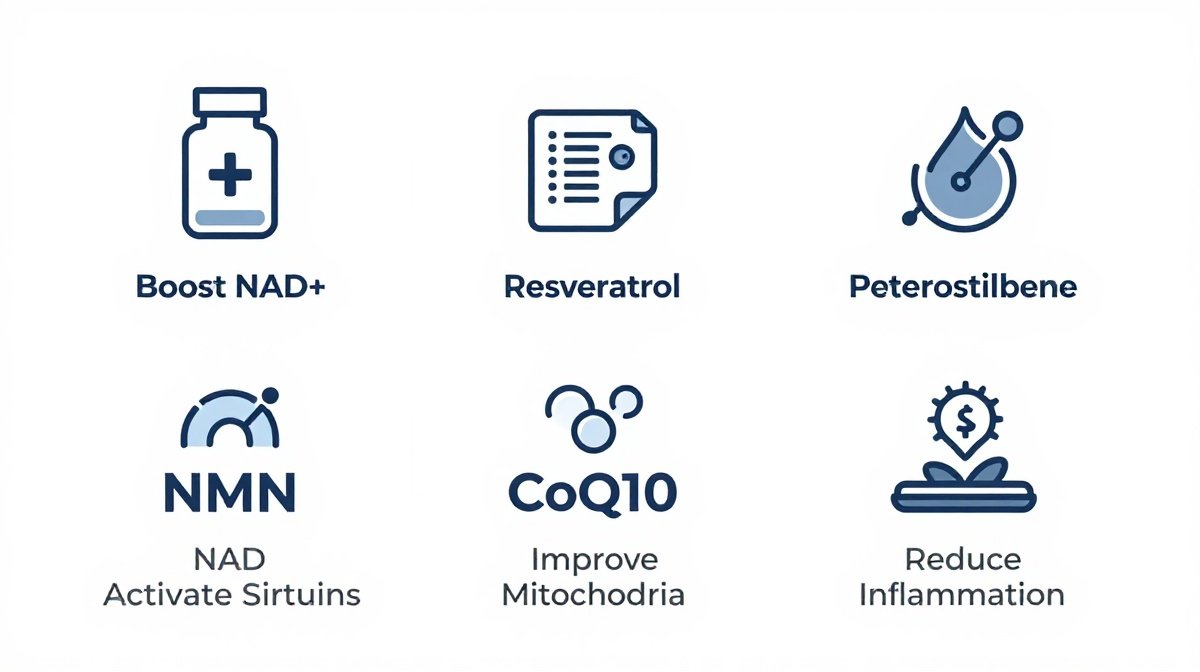
Resveratrol and its more bioavailable analogue pterostilbene are the most studied natural sirtuin activators. Resveratrol was identified by David Sinclair’s laboratory at Harvard as a SIRT1 activator, and subsequent research has documented its anti-inflammatory, cardiovascular, and metabolic effects in human subjects.
Pterostilbene offers a key pharmacokinetic advantage: its bioavailability is estimated at approximately 80%, compared to resveratrol’s less than 10% in many formulations. This means a smaller dose of pterostilbene delivers more systemic exposure than a larger dose of resveratrol. Using both creates redundancy — if resveratrol’s absorption is variable on a given day, pterostilbene provides reliable sirtuin activation.
The synergy with NMN is direct and documented: NMN raises NAD+ availability; resveratrol and pterostilbene activate the sirtuin enzymes that consume NAD+ to perform cellular maintenance. They address different points in the same pathway, and their combination is more effective than either alone.
CoQ10 — Supporting the Mitochondrial Infrastructure
Coenzyme Q10 is a fat-soluble antioxidant that plays a structural role in the mitochondrial electron transport chain — specifically, it is an electron carrier between Complexes I and III of the chain. Without sufficient CoQ10, electron transport efficiency decreases and ATP production suffers.
Like NAD+, CoQ10 levels decline with age. The decline is compounded in people taking statin medications, which inhibit CoQ10 biosynthesis as a side effect. Research has documented that CoQ10 supplementation improves mitochondrial function, exercise capacity, and fatigue across multiple populations.
In the context of Progenifix’s formula, CoQ10 addresses mitochondrial infrastructure while NMN addresses the fuel supply (NAD+). If NMN is increasing the amount of NAD+ available to drive electron transport, adequate CoQ10 ensures the transport chain itself is functioning efficiently. The combination addresses two complementary rate-limiting factors in cellular energy production.
CoQ10 is also one of the most thoroughly safety-studied supplements available — it has been used clinically for decades with an excellent safety record.
Quercetin — Addressing Senescent Cell Accumulation
Quercetin addresses a fourth dimension of cellular aging that the other ingredients do not: senescent cell accumulation.
Senescent cells are cells that have stopped dividing but resist dying. They accumulate with age and secrete a cocktail of pro-inflammatory molecules called the senescence-associated secretory phenotype (SASP). This chronic low-level inflammation — termed “inflammaging” — contributes to many of the downstream effects of aging.
Don’t Let NAD+ Decline Drain You – Check Progenifix Pricing Now
Quercetin has documented senolytic properties — the ability to selectively induce apoptosis (programmed cell death) in senescent cells while leaving healthy cells unaffected. Research from the Mayo Clinic, published in EBioMedicine, was the first to demonstrate senolytic activity of quercetin in human subjects, showing reduced senescent cell markers in human adipose tissue following quercetin plus dasatinib treatment.
Beyond senolytics, quercetin is a potent antioxidant, mast cell stabiliser, and broad anti-inflammatory compound. It also has documented interactions with the mTOR pathway — another longevity-associated signalling pathway that intersects with the sirtuin/NAD+ network.
The Three-Layer Approach to Cellular Aging
The Progenifix formula addresses cellular aging at three distinct levels simultaneously:
Level 1 — Fuel supply: NMN raises intracellular NAD+ levels, supporting the energy currency production and cellular maintenance enzyme systems that depend on it.
Level 2 — Machinery activation: Resveratrol and pterostilbene activate sirtuin enzymes and support the mitochondrial biogenesis programs that maintain and expand the cellular energy infrastructure.
Level 3 — Cellular housekeeping: Quercetin addresses senescent cell accumulation and chronic inflammatory burden. CoQ10 directly supports the mitochondrial electron transport efficiency.
No single ingredient addresses all three levels. The combination creates a formula that works across the major documented mechanisms of age-related cellular decline rather than addressing one mechanism in isolation.
💪 UNDERSTANDING THE THREE-LEVEL CELLULAR APPROACH — WHY SINGLE-INGREDIENT SUPPLEMENTS MISS THE PICTURE
See How Progenifix Addresses All Three Levels →
What to Realistically Expect: Timeline and Outcomes
Setting accurate expectations is the most important service any honest review can provide. Here is what the research and experience collectively support:
Weeks 1–3: Subclinical accumulation
During the first two to three weeks, NMN and the supporting ingredients are building toward clinically meaningful concentrations in the blood and tissues. The Keio University study showed meaningful NAD+ metabolite increases appearing at 4 weeks of consistent supplementation. Sleep quality is often the first subjective change to emerge — the 2022 Nutrients study documenting NMN’s sleep effects showed improvements emerging relatively early in the supplementation period.
Weeks 4–8: First consistent signals
The first reliably noticeable changes for most users in the research and user experience literature involve energy pattern improvements — specifically the attenuation of afternoon energy dips and more consistent morning energy. Recovery from physical training begins improving around this timeframe. Cognitive performance changes — focus duration, mental clarity — typically emerge in this window as well.

Weeks 9–12+: Established new baseline
By months 2–3, the changes should be established and consistent rather than variable. This is when the comparison to your pre-supplementation baseline becomes meaningful. The most commonly documented improvements: consistent energy, better training recovery, improved sleep quality, and improved cognitive endurance. This is also when the body composition effects (improved insulin sensitivity, better fat metabolism from the resveratrol/pterostilbene component) may become measurable.
Restore Your Cellular Energy at the Source – Start Your 90-Day Progenifix Trial Today
What will not happen:
An acute stimulant-like effect. Dramatic transformation in the first week. Overnight changes in body composition. These are not what NAD+ precursor supplementation produces. What it produces is the gradual restoration of cellular efficiency that had been quietly declining — a different category of change that requires patience and consistent use.
Who Gets the Most Benefit From Progenifix Review
The research and user experience data suggest the strongest benefit profile for:
Adults 35–65 with age-related cellular decline: This is the population in which the NAD+ decline is most pronounced and the potential for restoration most meaningful. Younger adults with generally optimal NAD+ levels will see less benefit than people whose levels have declined.
Active people whose recovery has slowed: The Washington University study and the npj Aging performance study suggest particular benefit in people who are exercising but finding recovery slower or more effortful than it used to be.
People experiencing cognitive endurance decline: The dopaminergic and neurotrophic effects of NAD+ restoration, alongside quercetin’s brain-specific antioxidant and anti-inflammatory properties, support cognitive function applications.
People with metabolic health concerns: The insulin sensitivity findings from the Washington University study suggest potential utility for people managing pre-diabetes or metabolic syndrome alongside appropriate medical care.
The least benefit is expected for:
Adults under 25 with naturally optimal NAD+ levels. People whose primary symptoms have a specific medical cause that supplements cannot address (anaemia, thyroid dysfunction, sleep apnea). People unwilling to commit to 90 days of consistent daily use.
The Cellular Energy Breakthrough After 35 – Learn How Progenifix Works
Safety Profile: The Complete Picture
NMN’s safety in human trials is among the most thoroughly documented of any supplement ingredient currently in research:
The Keio University human safety study documented no adverse effects at 250mg/day over 10 weeks. Subsequent trials at similar doses have continued to show an excellent safety profile. Long-term safety data is still accumulating — this is the honest limitation of a relatively new supplement ingredient — but nothing in the current research raises meaningful concerns.
CoQ10 has been used in clinical settings for decades with extensive safety documentation. Resveratrol at supplemental doses has a well-established safety record; very high doses (above 1000mg/day) have produced gastrointestinal effects in some studies, but supplemental doses are substantially lower. Pterostilbene’s clinical safety study in humans documented no adverse effects at 50–100mg/day. Quercetin’s safety has been reviewed by multiple regulatory bodies, which have consistently assessed it as safe at dietary supplement doses.
Interactions requiring physician guidance:
CoQ10 has a documented interaction with warfarin (blood thinner). Quercetin inhibits CYP3A4 and CYP2D6 liver enzymes, which metabolise many common medications — relevant for people on multiple prescription drugs. Resveratrol also has mild CYP3A4 inhibitory activity. Anyone on prescription blood thinners, statin medications, or multiple concurrent prescriptions should discuss this supplement with their physician before starting.

Comparing Progenifix to Its Nearest Competitors
The NAD+ supplement market has grown substantially alongside the research. How does Progenifix compare to the alternatives?
| Feature | Progenifix | NMN-Only Supplements | NR-Based Supplements |
| NAD+ Precursor | NMN | NMN | Nicotinamide Riboside |
| Supporting stack | Resveratrol, Pterostilbene, CoQ10, Quercetin | None or minimal | Varies widely |
| Sirtuin activation | Yes (Resveratrol + Pterostilbene) | No | Varies |
| Senolytic component | Yes (Quercetin) | No | Rarely |
| Mitochondrial support | Yes (CoQ10) | No | Rarely |
| Label transparency | Full disclosure | Varies | Varies |
| Human trial ingredient support | Strong | Strong (NMN alone) | Strong (NR alone) |
The case for the stack approach over NMN alone: the supporting ingredients address complementary mechanisms that NMN alone does not. Sirtuins need both NAD+ (provided by NMN) and activation (provided by resveratrol/pterostilbene) to perform cellular maintenance. CoQ10 addresses mitochondrial efficiency from the infrastructure side. Quercetin addresses senescent cell accumulation through a completely separate pathway. Each addition is mechanistically justified rather than decorative.
🌿 WHY THE FULL STACK OUTPERFORMS NMN ALONE — THE COMPLEMENTARY MECHANISMS EXPLAINED
Check Progenifix’s Full Ingredient Panel and Bundle Pricing →
Frequently Asked Questions
Is NMN the same as NAD+?
No. NAD+ is the molecule your cells need more of. NMN is a precursor — a smaller molecule that your cells absorb and convert to NAD+ through an enzymatic pathway. You can’t take NAD+ directly because it doesn’t absorb efficiently from the digestive tract; NMN is the delivery vehicle.
How is NMN different from Vitamin B3?
They share a biosynthetic relationship. Niacin (Vitamin B3) and nicotinamide are also NAD+ precursors, but they enter the pathway at different points than NMN. NMN is one step from NAD+ in the biosynthesis chain, making it a more direct precursor. Nicotinamide at high doses can actually inhibit sirtuins — a counterproductive effect that NMN does not share.
Does Progenifix need to be cycled?
Current research does not indicate a need for cycling NMN or the supporting ingredients. Consistent daily use is what the human trials used, and it is the protocol that produces the documented outcomes.
More Energy, Better Sleep, Sharper Focus – Discover What Progenifix Can Do
Can women take Progenifix?
Yes. The Washington University NMN study was specifically conducted in postmenopausal women, producing improvements in muscle insulin sensitivity. The research does not show sex-specific differences in NMN efficacy. Women who are pregnant or breastfeeding should consult their physician before use.
What is the ideal time of day to take Progenifix?
Most NMN trials have used morning dosing with meals. Morning dosing aligns with the body’s natural NAD+ rhythms, which follow a circadian pattern. Taking with food generally improves tolerability and may support absorption of the fat-soluble components (CoQ10, resveratrol).
Is Progenifix tested for quality and purity?
Quality manufacturing includes GMP-certified facilities and third-party testing. Verify specific quality documentation on the official product page.
The Bottom Line: What the Science and Experience Tell Us
The NAD+ biology is real, well-documented, and published in the highest-quality scientific journals by serious researchers at serious institutions. NAD+ decline with age is not a marketing construct — it is a documented biological phenomenon with measurable consequences for energy metabolism, cellular maintenance, and physical performance.

NMN as a delivery mechanism for raising NAD+ levels has accumulated more rigorous human trial support in the past five years than most supplement ingredients accumulate in decades. The human evidence is not definitive on every claimed outcome — particularly long-term longevity effects that would require multi-decade human trials — but it is substantially more credible than the evidence base for the vast majority of supplements.
Progenifix’s formula addresses the cellular aging biology at three levels: fuel supply (NMN), machinery activation (resveratrol, pterostilbene), and cellular housekeeping (CoQ10, quercetin). Each ingredient is mechanistically justified and has its own research foundation. The combination is coherent rather than arbitrary.
For adults over 35 who have the lifestyle foundations in place and want to address the cellular substrate underlying performance and recovery, Progenifix represents a well-constructed, evidence-informed approach to a real biological problem.
The expectation that matters: this is a 90-day minimum commitment to a cellular-level intervention. The changes are real, cumulative, and meaningful — but they do not look like a stimulant effect, and they cannot be evaluated at two weeks.
Rating: 8.8/10
🏆 Progenifix Review: THE CELLULAR HEALTH SUPPLEMENT BUILT ON REAL NAD+ SCIENCE
Check Current Progenifix Pricing and Start Your 90-Day Trial →
💰 COMMIT TO 90 DAYS — BUNDLE PRICING MAKES THE INVESTMENT SIGNIFICANTLY MORE AFFORDABLE

See Today’s Multi-Bottle Discount Options on the Official Progenifix Page →
Medical Disclaimer: This article is for informational and educational purposes only. It does not constitute medical advice, diagnosis, or treatment. NAD+ biology and NMN research is an active and evolving field — claims represent current research understanding and may be revised as additional evidence accumulates. Adults with medical conditions, those taking prescription medications (particularly blood thinners, statins, or cytochrome P450-metabolised drugs), and pregnant or breastfeeding women should consult a qualified healthcare provider before starting any supplement regimen. Individual results vary. These statements have not been evaluated by the Food and Drug Administration. This product is not intended to diagnose, treat, cure, or prevent any disease.