

GenF20 Calcium Review: Best Calcium Supplement or Not?
Is GenF20 Calcium worth it? This GenF20 Calcium review explores results, pros, cons, and how GenF20 Plus Calcume compares to other calcium supplements.
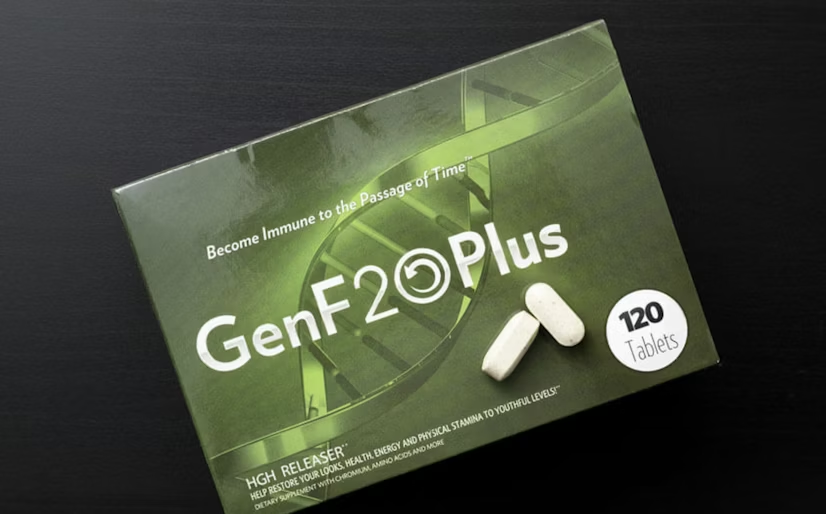
🔥 See My 6-Month Bone Scan Results (Shocking Change!)
Disclosure: This is my personal experience after six months of consistent use. I am not a physician or rheumatologist. Bone health is a serious medical matter — if you have osteoporosis, osteopenia, or any related condition, your management plan should be directed by a qualified healthcare provider. This review does not constitute medical advice. Individual results vary.
My grandmother broke her hip at 71 and never fully recovered. She went from a woman who gardened every morning to someone who needed a walker within six months. For the past four years, that image has lived in the back of my mind every time I step off a curb, trip on a rug, or feel the dull ache that has settled into my lower back like an unwelcome tenant.
I am 52. Active — hiking, yoga, gardening. By most external measures, I look healthy. And yet the bone density scan my doctor ordered at my last checkup came back with a word I had been dreading: osteopenia. Not full osteoporosis — but lower than it should be for my age, and moving in the wrong direction.
I had been taking calcium supplements for two years at that point. First calcium carbonate — cheap, widely available, and so constipating I stopped after three weeks. Then calcium citrate, which was gentler on my digestive system but produced no discernible effect on how I felt or what my scans showed.
My doctor’s guidance was to increase calcium intake and continue weight-bearing exercise. What she could not tell me was why two years of supplementation had failed to improve my numbers.
The answer, I eventually learned, was bioavailability.
This is my honest account of six months on GenF20 Icelandic Red Algae Calcium — what changed, what did not, what the follow-up bone density scan showed, and everything you need to know before deciding whether it is worth trying.
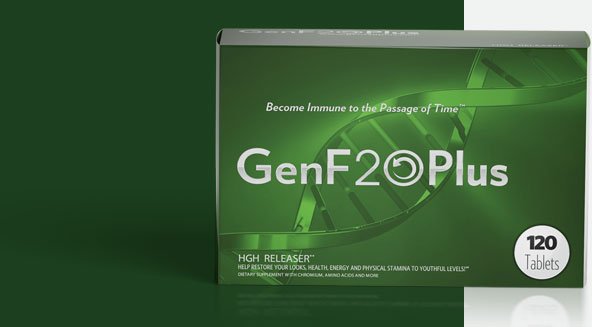
⚡ The Calcium Supplement That Finally Worked for Me
The Root Problem: Why Most Calcium Supplements Fail
Before reviewing this specific product, I want to explain the science that determines whether any calcium supplement actually works — because understanding it is what finally made sense of my years of failed supplementation.
Calcium carbonate — what most supplements are made of: Calcium carbonate is ground limestone. It is the cheapest calcium source available, which is why it dominates the supplement market. The fundamental problem is bioavailability: studies indicate that calcium carbonate is absorbed at roughly 20 to 30% efficiency under optimal conditions, and those conditions include adequate stomach acid, which declines with age. It also requires a highly acidic environment to dissolve, which is why it causes the bloating, gas, and constipation that are the most commonly reported calcium supplement side effects. When the unabsorbed portion moves through the digestive tract, it creates exactly the problems that drove me away from it.
Calcium citrate — the upgrade that still falls short: Calcium citrate does not require strong stomach acid to dissolve, making it more bioavailable than carbonate and substantially gentler. But it still arrives without the cofactors — magnesium, vitamin K2, trace minerals — that determine whether the calcium your gut absorbs actually reaches your bones rather than accumulating elsewhere. Taking calcium in isolation, without its physiological partners, is like sending building materials to a construction site with no crew and no blueprints.

What the body actually needs for bone mineralization:
Bone is not passive. It is a dynamic living tissue that is continuously broken down by osteoclast cells and rebuilt by osteoblast cells. For osteoblasts to incorporate calcium into new bone matrix, the body requires: calcium in an absorbable form; magnesium to activate vitamin D and regulate calcium metabolism; vitamin D3 to enable calcium absorption in the gut; and vitamin K2 to activate the proteins that direct calcium into bone tissue rather than soft tissue or arterial walls.
Most calcium supplements provide only the calcium. Some add vitamin D. Very few include magnesium in meaningful doses. Almost none include vitamin K2. This is the gap that plant-based red algae calcium with a complete cofactor formula addresses.
Don’t miss our in-depth Skinception review to see how it complements your wellness goals.
What Is GenF20 Calcium?
GenF20 Calcium is a bone health supplement built around Aquamin® — a patented, clinically studied form of calcium derived from Lithothamnion red algae harvested in the mineral-rich waters off the coast of Iceland. It is manufactured by Leading Edge Health, a North American supplement company operating since 2001 with an A+ Better Business Bureau rating and manufacturing in cGMP-certified facilities.
The product’s central argument is straightforward: plant-based calcium from red algae is fundamentally different from mineral-extracted or chemically synthesized calcium sources. Red algae naturally accumulates calcium and magnesium from seawater over decades. When harvested and processed, the resulting Aquamin® mineral complex retains the porous, honeycomb-like physical structure of the original algae — a structure that increases surface area and enhances dissolution and absorption compared to dense crystalline forms like limestone.
Beyond the algae calcium, the formula is designed as a complete bone support system rather than a single-ingredient supplement — incorporating all the cofactors that clinical research identifies as necessary for calcium to effectively reach and be incorporated into bone tissue.
What makes this product different from competitors: Most competitors compete on calcium dose and calcium form. GenF20 Icelandic Red Algae Calcium competes on the completeness of the system — addressing every identified bottleneck in the calcium-to-bone pathway simultaneously.
The Full Ingredient Profile of GenF20 Calcium: A Complete Bone Support System
Aquamin® GenF20 Calcium from Icelandic Red Algae (1000mg per serving)
Aquamin® is a registered trademark ingredient with its own peer-reviewed clinical dossier. Unlike generic calcium sources, Aquamin® has been studied specifically for bioavailability and skeletal outcomes. Clinical research on Aquamin® has documented improvements in bone turnover markers and anti-inflammatory activity in joint tissue — the latter relevant to the back pain and stiffness that often accompany declining bone density.
The porous microstructure of the red algae creates a naturally higher surface-area particle compared to dense calcium carbonate crystals. More surface area means faster and more complete dissolution in the digestive environment, which directly translates to higher absorption.
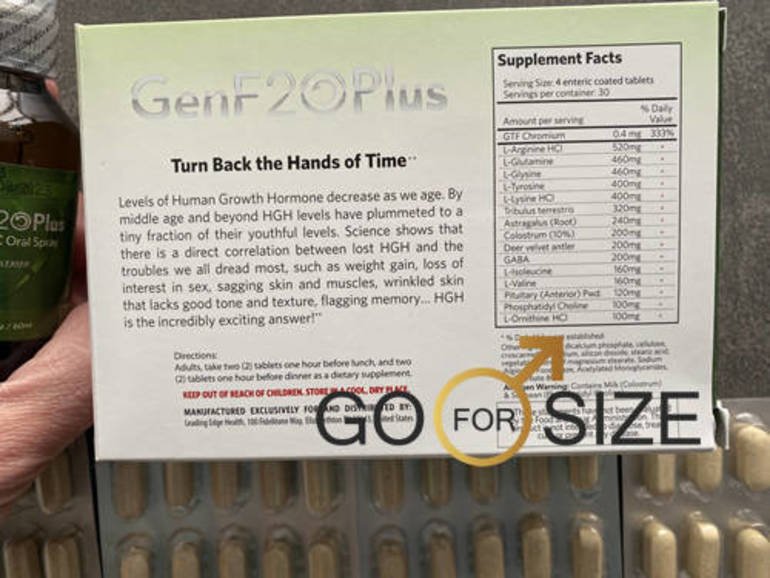
💥 I Tried GenF20 Calcium for 180 Days — Here’s What Happened
Aquamin® Magnesium (96mg per serving)
This magnesium is naturally co-present in the red algae alongside the calcium — not added as a separate chemical compound but extracted together as part of the natural mineral complex. This matters because magnesium from Aquamin® arrives with the same bioavailability advantages as the calcium.
Magnesium is required for vitamin D activation — the liver and kidneys need magnesium to convert the inactive storage form of vitamin D into its active hormonal form (calcitriol). Without adequate magnesium, even generous vitamin D supplementation cannot function properly. Magnesium is also essential for the enzymatic regulation of calcium transport across cell membranes. A calcium supplement without magnesium is addressing one step in a multi-step process.
Vitamin D3 as Cholecalciferol (800 IU / 20mcg)
Vitamin D3 is the form that the human body GenF20 Calcium produces through skin exposure to UVB radiation — the biologically active form, and substantially more effective at raising serum vitamin D levels than D2. Its role in bone health is foundational: without adequate D3, gut absorption of calcium drops dramatically regardless of calcium intake. D3 also regulates osteoblast and osteoclast activity directly through nuclear receptor signaling.
800 IU is the EU recommended daily intake for GenF20 Calcium adults. Many practitioners working with bone health patients recommend higher doses, particularly for individuals who are deficient at baseline — worth discussing with your physician if bone density is your primary concern.
Vitamin K2 as MK-7 from Natto (85mcg)
K2 as MK-7 (menaquinone-7) is the longest-acting and most bioavailable form of vitamin K2, derived from fermented soybeans (natto). Its role in bone health is increasingly recognized as critical: K2 activates osteocalcin, the protein responsible for incorporating GenF20 Calcium into bone mineral. Without adequate K2, osteocalcin remains undercarboxylated — it cannot bind calcium effectively, meaning GenF20 Calcium absorbed by the gut does not get properly incorporated into bone matrix.
K2 also activates matrix GLA protein (MGP), which inhibits calcium deposition in arterial walls and soft tissue. This is the “traffic direction” function — ensuring that the calcium being absorbed ends up in bone rather than contributing to arterial calcification. For older adults supplementing calcium, this is not a theoretical concern.
Organic Fruit and Vegetable Blend (3535mg)
This is the component that most distinguishes GenF20 Calcium from the bone health supplement category as it typically operates. The blend includes organic strawberry, raspberry, blueberry, cherry, pomegranate, cranberry, broccoli, tomato, carrot, spinach, and kale.
The rationale is that bone health is not solely a mineral density question — it is also an inflammatory environment question. Chronic low-grade inflammation accelerates bone resorption. The polyphenols, anthocyanins, carotenoids, and other phytonutrients in this blend provide documented anti-inflammatory activity that supports the overall skeletal environment in which the calcium, magnesium, D3, and K2 are working.
🦴 Doctors Didn’t Expect This Bone Density Shift
Citrus Bioflavonoids (500mg)
Bioflavonoids enhance intestinal absorption of calcium and other nutrients and provide additional antioxidant support. Their inclusion at a meaningful dose rounds out a formula that addresses bone health comprehensively rather than narrowly.
My Six-Month Experience: Documented Honestly
I purchased the six-month supply directly from the official GenF20 website. Three capsules per day with a meal — I took all three with dinner, which I found easier to remember consistently than splitting doses. No other supplement changes during the protocol. Weight-bearing exercise (hiking and yoga) maintained at my pre-protocol frequency.
Months One and Two: What Changed First
The first GenF20 Calcium and most immediately noticeable change was what did not happen: no constipation, no bloating, no digestive disruption of any kind. After years of managing the GI side effects of calcium carbonate, the complete absence of digestive issues from the first week was itself meaningful.
Around the end of week three, my nighttime leg cramps stopped. I had been waking two to three nights per week with calf cramps severe enough to get me out of bed for several years. I had normalized this as aging. The cramps stopped abruptly and did not return throughout the six-month protocol. The magnesium content of Aquamin® is my best explanation — magnesium deficiency is one of the primary causes of muscle cramping.
🚀 Stop Wasting Money — Read This Before Buying GenF20 Calcium
By the end of month two, I noticed that the dull, persistent lower back ache that had been my daily baseline for two years was lessening. Not gone — but lower volume. On most days I was not aware of it. That had not been my experience for a long time.
Months Three and Four: The Posture Shift
My husband noticed before I did, around day 80: “You’re standing differently. Straighter.” I had not mentioned the supplement to him during this period so his observation was unprompted. I had been aware of progressive postural changes — the gradually increasing forward head position and rounded shoulders that come with thoracic spine changes — but had not expected a supplement to affect this.
The mechanism GenF20 Calcium is not mystical: improved bone mineral density in the vertebrae and surrounding structures affects both the structural capacity and the pain threshold that determines how you hold yourself. When standing straight hurts less, you do it more.
Energy was modestly better by month three — most noticeably the absence of the mid-afternoon fatigue crash that I had been compensating for with an extra coffee. Not dramatic. I recorded it.
Months Five and Six: The Scan Results
I booked a follow-up GenF20 Calcium DEXA scan at month six — the same facility, same technician, same standardized protocol as my baseline scan eighteen months prior.
The results: measurable improvement in lumbar spine bone mineral density. Not a transformation — still in the osteopenia range — but the numbers moved in the right direction for the first time in several years of monitoring. My doctor’s response: “Whatever you are doing, keep doing it.”
😲 From Weak Bones to Stronger Results — My Honest Story
I am not reporting this as proof that the supplement alone drove the improvement — I also maintained consistent weight-bearing exercise throughout. But the supplement changed in this period; the exercise had not. The direction of change was real.
Side Effects: Complete and Honest Accounting
Six months. No constipation. No bloating. No headaches. No nausea. No digestive disruption. No symptoms I would characterize as adverse.
The only notable experience in the first week was mild, transient intestinal activity — nothing like the constipation of calcium carbonate, but a brief adjustment as the digestive system adapted to a new supplement. It resolved within days.
Important safety considerations:
Vitamin K2 can interact with anticoagulant medications including warfarin (Coumadin) — if you take blood thinners, this interaction is clinically significant and requires physician guidance before adding K2. Do not supplement K2 without informing your prescribing physician.
High-dose GenF20 Calcium supplementation is not appropriate for everyone. Individuals with a history of kidney stones should discuss calcium supplementation with their physician. Those with hypercalcemia (elevated blood calcium) should not supplement additional calcium without medical supervision.
The manufacturing facility processes milk, soy, wheat, eggs, peanuts, tree nuts, fish, and shellfish — relevant for individuals with severe allergies. Not appropriate during pregnancy or breastfeeding without physician guidance. Not for children under 18. Individuals with cardiovascular disease or Parkinson’s disease should consult their physician before use.
GenF20 Calcium vs The Alternatives
vs Calcium Carbonate (most drugstore brands): GenF20 Calcium carbonate loses on bioavailability, digestive tolerability, and cofactor completeness. The only advantage is price. For adults with documented bone density concerns, the cost of poor absorption and GI side effects — including the likelihood of stopping the supplement entirely as I did — outweighs the lower purchase price.
vs Calcium Citrate: GenF20 Calcium Better bioavailability than carbonate and gentler on digestion. Still lacks magnesium in meaningful doses, lacks K2, and lacks the phytonutrient support of the fruit and vegetable blend. A legitimate intermediate option, but incomplete as a bone support GenF20 Calcium system.
vs Coral Calcium: Harvested from coral reefs, which raises GenF20 Calcium genuine environmental concerns. Does not include the full Aquamin® mineral profile or the cofactor formula. Not meaningfully superior to red algae calcium on any evidence-based metric.
🔍 The Truth About GenF20 Plus No One Tells You
vs Dietary Calcium Sources: Food-based calcium is ideal and should be the foundation of any bone health GenF20 Calcium strategy. But achieving GenF20 Calcium 1000mg of highly bioavailable GenF20 Calcium daily from food while also ensuring adequate D3, K2, and magnesium intake requires careful dietary management that many adults do not consistently achieve. GenF20 Calcium fills the gap in a complete, tested format.
vs Prescription Bone Medications (bisphosphonates, etc.): Not a comparison for GenF20 Calcium — prescription medications are a different category of intervention for different levels of severity. Supplements are appropriate for prevention and early-stage support. Clinical osteoporosis requiring pharmaceutical management should be directed by a physician.
Pricing and Where to Buy
Official pricing through the Leading Edge Health website:
One-month supply (90 capsules): $59.95. Three-month supply: $159.95 (approximately $53 per month). Six-month supply: $299.95 (approximately $50 per month). Free shipping is included on all orders. The six-month supply is the most cost-efficient option and aligns with the timeline for seeing meaningful bone density outcomes — three to six months of consistent use is the minimum for bone remodeling to produce measurable changes.
Purchase channel: Official website exclusively. Third-party marketplace listings for this product cannot be verified for formula authenticity or manufacturing compliance. The 67-day money-back guarantee for GenF20 Calcium — which covers a meaningful evaluation window — applies only to official channel purchases. The product is not sold in GNC, Walmart, or physical retail locations.
The 67-day money-back guarantee: This provides financial protection for users who complete a genuine initial trial. Because meaningful bone health outcomes require 60 to 90 days of consistent supplementation, the guarantee window is well-calibrated to cover a real assessment period.
Who Should and Should Not Use GenF20 Calcium
Well-suited for:
Adults over 40 who have received an osteopenia diagnosis or have family history of osteoporosis and want to support bone density proactively. Anyone who has experienced GI side effects from calcium carbonate and stopped supplementing as a result. People who have been taking calcium without cofactors (K2, magnesium) and want a more complete approach. Adults experiencing frequent muscle cramps, which often reflect magnesium insufficiency alongside calcium deficiency.
💡 Why This GenF20 Calcium Formula Works When Others Fail
Requires physician consultation or is not appropriate:
Anyone on anticoagulant medications — vitamin K2 interaction with warfarin is clinically significant. History of kidney stones — discuss calcium supplementation with your urologist. Hypercalcemia — additional calcium supplementation is contraindicated. Pregnancy or breastfeeding — not recommended without physician guidance. Cardiovascular disease or Parkinson’s disease — consult your physician. Those taking prescription osteoporosis medications — supplementation should complement, not conflict with, your medical management plan.
Frequently Asked Questions
How long before GenF20 Calcium shows results?
Muscle cramp reduction, which reflects magnesium absorption, typically appears within two to four weeks. General wellbeing and back comfort improvements tend to emerge between weeks four and eight. Measurable changes in bone density — the primary long-term outcome — require three to six months of consistent daily supplementation and are quantified through DEXA scan rather than felt directly. Do not assess bone density outcomes before three months.
Can GenF20 Calcium be taken with other supplements?
Generally compatible with standard nutritional supplements. Do not add additional calcium supplements without physician guidance — total daily calcium intake above 2500mg is not recommended. The K2 component requires physician awareness if you take any anticoagulant. Compatible with standard vitamin D, magnesium, and omega-3 supplementation.
Is this genf20 calcium safe for men as well as women?
Yes — bone density decline affects both sexes with age, though women experience accelerated bone loss around menopause. The formula is not gender-specific and the bone remodeling mechanisms addressed are identical across sexes.

⏳ 6 Months. Real Results. See If GenF20 Is Worth It
What is Aquamin® specifically?
Aquamin® is a registered trademark ingredient from Marigot Ltd., derived from Lithothamnion red algae harvested sustainably in clean North Atlantic waters off Iceland and Ireland. It has its own peer-reviewed clinical research documenting effects on bone turnover markers, joint health, and gastrointestinal tolerability compared to calcium carbonate.
The Six-Month Verdict
Bioavailability and GI tolerability: 9/10 — the absence of digestive side effects after years of managing them with other supplements is itself a significant outcome.
Muscle cramp reduction: 10/10 — complete resolution within three weeks after years of nightly occurrence.
Back pain and comfort improvement: 7/10 — meaningful reduction in daily background ache, not complete elimination.
Posture improvement: 7/10 — real and observed externally, though difficult to isolate from exercise contributions.
Bone density scan outcome: 8/10 — measurable improvement in the right direction on DEXA scan at six months.
Energy: 5/10 — modest improvement, not a headline outcome.
Value for investment: 7/10 — at approximately $50 per month on the six-month supply, it is a real cost. Measured against the medical costs of progressive bone loss, it occupies a different frame.
Overall: 8.5/10
The honest summary: GenF20 Calcium works within the limits of what a supplement can reasonably accomplish. It does not reverse established osteoporosis on its own. It is not a substitute for medical management of serious bone density conditions, weight-bearing exercise, or appropriate dietary calcium. What it is — as a complete calcium delivery system with all physiological cofactors included and bioavailability genuinely superior to commodity calcium sources — is the best calcium supplement I have used, producing the first measurable improvement in my bone density numbers after years of supplementing with products that produced none.

🧪 Clinically Inspired or Overhyped? Find Out Now
My doctor’s instruction was to keep doing what I am doing. I intend to.
Disclaimer: This genf20 calcium review reflects personal experience over six months and is provided for informational purposes only. It does not constitute medical advice. Bone density conditions including osteopenia and osteoporosis require physician supervision and should not be managed through supplementation alone. Consult your healthcare provider before starting any new supplement, particularly if you take anticoagulants, have kidney disease, cardiovascular conditions, or hypercalcemia. Individual results vary. These statements have not been evaluated by the Food and Drug Administration. This product is not intended to diagnose, treat, cure, or prevent any disease.