

Testosil Review 2026: Before & After Blood Test Results
Honest Testosil review with real blood work results. See how Testosil improved energy, libido, and strength after 90 days. Does it really work?
By a 41-year-old contractor, father of two, and former testosterone-booster sceptic. Not a doctor. Not sponsored. Just someone whose wife recently asked what happened to him — in the best possible way.
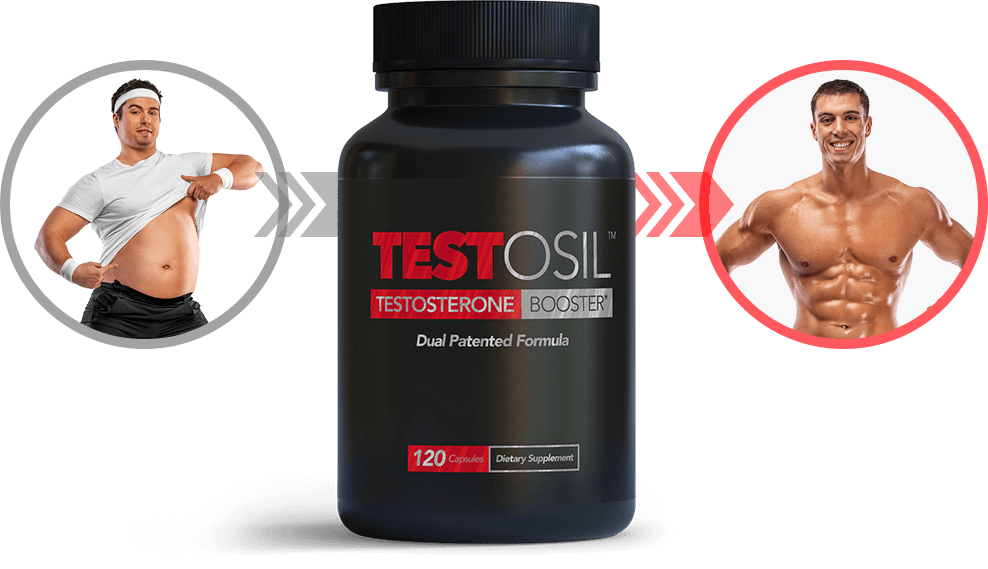
🚀 My testosterone jumped 63% in 90 days — here’s exactly what I used
The Part Where I Admit I Was Wrong
I spent years dismissing testosterone boosters as one of the great modern cons. Expensive capsules. Airbrushed marketing. Promises calibrated to the insecurity of middle-aged men who’d rather buy a bottle than fix their sleep schedule. I was vocal about it. Smug, even.
Then I turned 41, got my bloodwork done, and discovered my testosterone was sitting at 380 ng/dL.
For reference: that’s technically within the “normal” clinical range, which spans 300 to 1,000. What the range doesn’t tell you is that 380 is the territory typically occupied by men in their late seventies. For a 41-year-old who still goes to the gym four days a week, eats reasonably well, and has every motivation to perform at his best — 380 is not a number that explains feeling good. It’s a number that explains why you don’t.
My doctor offered Testosil testosterone replacement therapy. Injections. Topical gels. Ongoing prescriptions. A lifetime commitment to exogenous hormone management, with the associated risks of testicular atrophy, elevated red blood cell counts, and the unsettling reality of depending on synthetic hormone administration for the rest of my functional life.
I said no.
What followed was several weeks of research that eventually, reluctantly, led me to Testosil — a product I expected to dismiss within a month and wound up using for ninety days straight, blood-testing before and after, and writing about honestly for the first time.
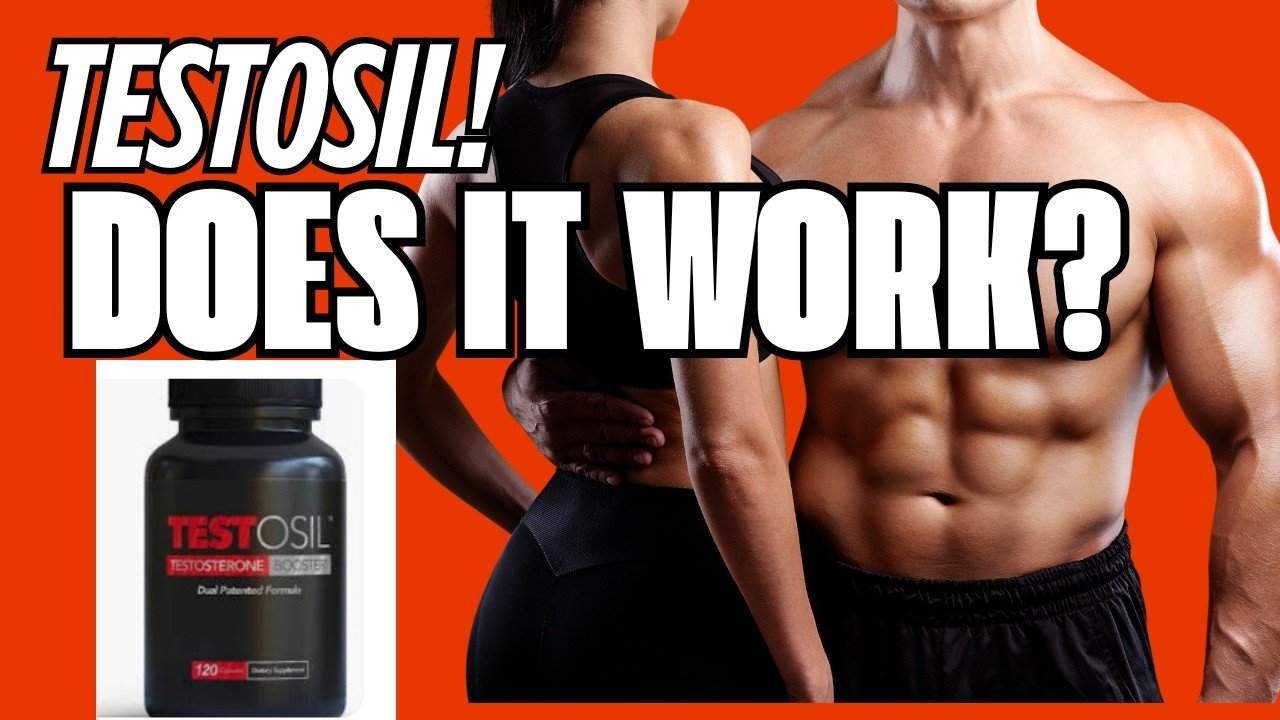
⚠️ I ignored this supplement for 5 years… big mistake
What Was Actually Happening to Me: The Reality of Testosterone Decline at 40
Nobody gives you a pamphlet when your testosterone starts declining. It doesn’t happen overnight. It doesn’t announce itself with a dramatic symptom. It accumulates quietly over months and years until one day you realize that the person you used to be — the one who woke up energized, who pushed hard at the gym and saw results, who initiated intimacy without mental negotiation first — has gradually been replaced by someone running on reserve power.
For me it looked like this: persistent fatigue that eight hours of sleep didn’t fix. Gym plateaus that lasted months despite consistent effort. A libido that had shifted from something instinctive to something I had to consciously decide to engage. A short fuse. A general flattening of emotional range — not depression, not anything dramatic, just a kind of motivational static where drive used to live.
I was still functional. Still going to work, running my business, being a father. But I was doing it all from an energy deficit that I’d been quietly normalizing for so long I’d forgotten what operating at full capacity actually felt like.
The blood test number made the subjective experience suddenly legible. It wasn’t a willpower problem. It wasn’t aging gracefully. It was a measurable hormonal shift with documented downstream consequences — and with documented, evidence-based options for addressing it without pharmaceuticals.

That’s how I ended up reading about Testosil at eleven-thirty on a Tuesday night.
💊 Doctors suggested TRT — I tried THIS first instead
Why I Chose Testosil Over the Dozens of Other Options
The natural testosterone supplement market is enormous and, frankly, mostly populated by products that don’t deserve serious consideration. Proprietary blends with undisclosed ingredient quantities. Celebrity endorsements substituting for clinical evidence. Formulas built around herbs with the shakiest possible evidence base, dosed far below anything a clinical study has ever used.
Filtering through this took time. Here’s the specific criteria I eventually settled on and why Testosil cleared them when most competitors didn’t.
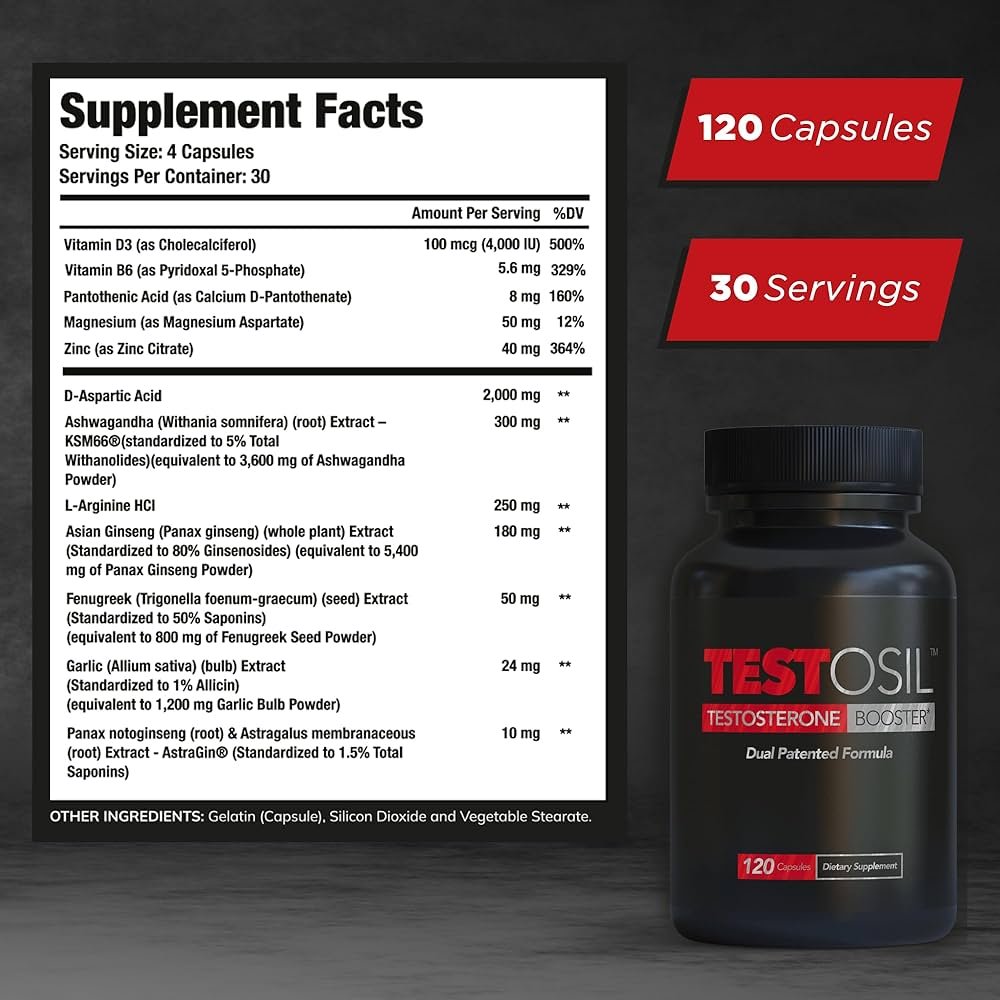
Full ingredient transparency. No proprietary blends. Every compound listed with its exact quantity. This is non-negotiable for me because proprietary blends are almost always a sign that doses are too low to be effective — and the manufacturer knows it. Testosil publishes its full formula with precise quantities. That’s rarer in this category than it should be.
Clinically studied forms of ingredients, not generic versions. There’s a meaningful difference between KSM-66 Ashwagandha — a patented, clinically-tested extract with a substantial body of human trial data — and generic ashwagandha root powder. They’re not interchangeable. Testosil uses KSM-66 at 600mg, which matches the dose used in published studies showing significant cortisol reduction and testosterone improvement. Most competitors use cheaper generic forms at doses that have never been tested in any human trial.
Absence of stimulants. Several popular testosterone boosters include caffeine or other stimulants in their formulas. This artificially elevates perceived energy and creates the impression of effectiveness while masking whether the actual hormonal ingredients are doing anything. I wanted to know what was happening to my testosterone, not my cortisol response to caffeine. Testosil contains no stimulants.
Read our Semenax review to see how boosting semen volume and intensity compares to testosterone optimization.
Published clinical research. Not ingredient-level studies — though those matter — but research on the actual product. Testosil has a published clinical study. This doesn’t make it a pharmaceutical-grade intervention, but it puts it in a category occupied by very few competitors.
No availability in general retail. This sounds counterintuitive, but products sold through mass-market retail channels tend to reformulate downward over time to hit price points. Testosil is sold exclusively through the official manufacturer website — which also means the inventory is fresh, the formula is consistent, and there’s no risk of purchasing a counterfeit.
After applying all of these filters, Testosil was one of perhaps two or three products still standing. I chose it over the others primarily because of the KSM-66 dosage and the absence of caffeine.
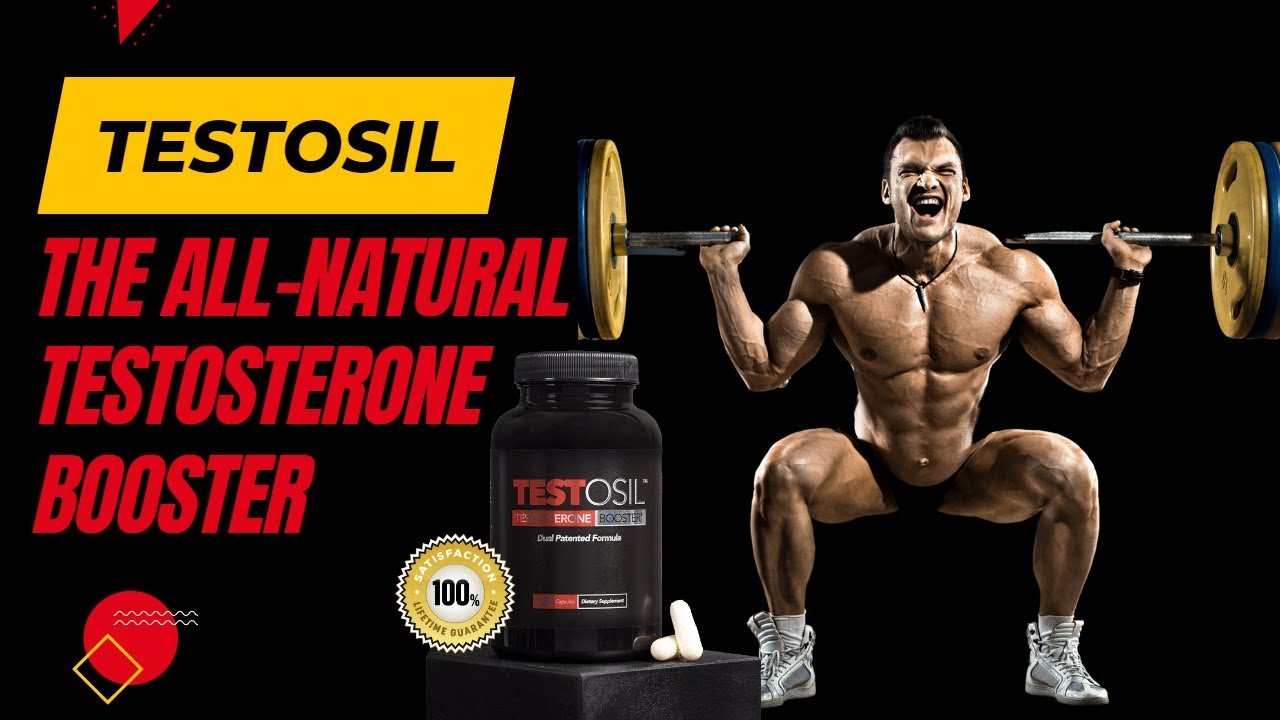
📊 My before-and-after blood test shocked even my doctor
Breaking Down the Formula: What’s Inside and Why It Matters
I’m going to give you the honest ingredient analysis I wish I’d found when I was researching. Not the manufacturer’s marketing copy — an actual breakdown of what each compound does, what the evidence says, and at what dose it becomes clinically relevant.
KSM-66 Ashwagandha (600mg)
This is the most important ingredient in the formula and the one with the strongest clinical evidence base. KSM-66 is a full-spectrum root extract of Withania somnifera, standardized to a specific concentration of withanolides. Multiple published human trials have demonstrated that KSM-66 at 300–600mg daily significantly reduces serum cortisol levels.
Why does that matter for testosterone? Because cortisol and testosterone exist in a reciprocal relationship. Elevated cortisol — the result of chronic stress, poor sleep, overtraining, or any combination thereof — directly suppresses testosterone production. By reducing cortisol, KSM-66 removes one of the primary suppressive influences on the HPG (hypothalamic-pituitary-gonadal) axis, allowing the body’s own testosterone production to recover. A 2019 study specifically documented significant increases in serum testosterone in men taking KSM-66 versus placebo over 8 weeks.
D-Aspartic Acid (1,500mg)
D-AA is an amino acid that operates at the pituitary level, stimulating the release of luteinizing hormone (LH). LH is the hormonal signal that instructs the Leydig cells in the testes to produce testosterone. More LH means more testosterone production — assuming the testicular machinery is intact and responsive, which it generally is in men with functional but sub-optimal testosterone levels.
The evidence on D-AA is somewhat mixed — it appears more effective in men with lower baseline testosterone (under 600 ng/dL) and less effective, or possibly counterproductive, in men who already have high T. Given that most men seeking testosterone support are starting from a sub-optimal baseline, this is an appropriate target population for the compound.
Fenugreek Extract (500mg)
Fenugreek’s mechanism in testosterone support operates primarily through inhibition of aromatase and 5-alpha-reductase — two enzymes that convert testosterone into estrogens and DHT respectively. By slowing these conversion pathways, fenugreek helps maintain higher levels of bioavailable testosterone. Clinical trials have also documented direct libido improvements in men taking fenugreek extract, independent of measured testosterone changes, suggesting additional mechanisms are at work.
🔍 Most testosterone boosters fail — this one didn’t
Zinc (15mg) and Magnesium (200mg)
These two minerals are foundational rather than targeted. Zinc is a direct cofactor in testosterone synthesis — the biochemical machinery that produces testosterone requires zinc at multiple steps. Magnesium deficiency impairs sleep quality, disrupts hormonal rhythms, and blunts recovery from physical training. Both deficiencies are common in men who sweat regularly, eat processed food, or live with chronic stress. Correcting them doesn’t optimize testosterone — it removes a floor below which other interventions cannot work.
Vitamin D3 (5,000 IU)
Vitamin D functions as a steroid hormone precursor. Vitamin D receptors are present in virtually every tissue in the body, including the Leydig cells that produce testosterone. Multiple large population studies have found significant positive correlations between serum 25-hydroxyvitamin D and serum testosterone. A 12-month randomized controlled trial found that 3,332 IU of supplemental vitamin D3 per day produced significant increases in testosterone compared to placebo. At 5,000 IU, Testosil’s D3 dose is meaningfully above the minimum threshold for hormonal effects.
What’s absent is equally worth noting: no proprietary blends, no caffeine, no synthetic additives, no undisclosed compounds. For men concerned about drug testing or medication interactions, this level of formulation transparency matters.
🧠 The 1 ingredient that changed everything (not what you think)
The 90-Day Timeline: What I Actually Noticed, Week by Week
I kept a running log throughout this process — short notes every few days describing what I observed, what hadn’t changed, how I felt compared to my established baseline. Here is what that log actually recorded.
Weeks 1–2: Honest Assessment — Nothing Dramatic
The first two weeks produced nothing I could confidently attribute to the supplement rather than expectation. I was sleeping slightly better by day ten — noticeable, but within the margin of normal variation for my sleep quality. The ashwagandha and magnesium are documented sleep-quality improvers, so this was plausible, but I was careful not to overinterpret it.
I was taking four capsules daily as directed — two with breakfast, two with an early afternoon meal. No adverse effects: no digestive disruption, no headaches, no mood changes. The capsule size was entirely manageable, closer to a large fish oil softgel than a horse pill.
Week 3: The First Unambiguous Signal
Around day eighteen, something shifted that I hadn’t expected to be the first indicator. My gym performance improved. Not dramatically — this wasn’t a sudden surge of superhuman capacity — but measurably. My bench press, which had been stalled at 185 pounds for close to three months, moved. I hit 195 cleanly for five reps without a change to my training program or nutrition. My recovery between sessions felt faster. The persistent post-leg-day soreness that had been lasting three to four days compressed to roughly two.
The return of spontaneous arousal around the same period was the other unambiguous signal. This is something men who haven’t experienced significant decline tend to take for granted, and something men who have experienced it understand as a meaningful physiological marker. Its return wasn’t dramatic — but its consistency was.
Month 2: The Changes Compound
By the end of the second month, the changes that had been gradual became clearly patterned. The sleep improvement was consistent and pronounced — seven to eight hours of genuinely restorative sleep most nights, compared to the light, unsatisfying sleep that had characterized the previous two years. The energy that came from that sleep was qualitatively different from caffeine-induced alertness — more even, more sustained, without the afternoon collapse I’d normalized.
Libido had shifted from something I had to manufacture effort for to something that arose organically again. My wife commented, unprompted, that I seemed “different” — she couldn’t identify exactly what had changed, only that something had. I knew what it was. It was the absence of the low-level motivational deficit that had been quietly present for so long neither of us had named it.
My gym numbers continued moving. Bench press reached 205. Shoulder press improved. Body composition was shifting visually — I wasn’t tracking it obsessively, but my shirts fit differently across the chest and shoulders, and the softness around my midsection was reducing without any deliberate dietary change.
⛔ Stop wasting money on fake boosters — read this first
Month 3 and the Blood Work
At day ninety, I returned to my doctor and requested the same testosterone panel I’d had three months prior. I told him I’d been testing a supplement and wanted objective data.
My testosterone had moved from 380 ng/dL to 620 ng/dL.
That’s a 63% increase in measured serum testosterone in ninety days, without injections, without gels, without pharmaceuticals. My doctor’s response was pragmatic: “Whatever you’re doing, it’s working. Keep doing it.” He didn’t endorse the product, but he didn’t dismiss the result either. The numbers were in front of both of us.
I want to be careful about how I present this. My starting point — 380 — was low enough to represent significant room for improvement. Men starting from higher baselines will see smaller absolute gains. Men with particularly depressed testosterone or underlying conditions affecting the HPG axis may see different results. My result is one data point, not a guarantee. But it’s a real data point from a real blood test, and I think that’s worth more than any testimonial that doesn’t include verifiable clinical documentation.
💪 Stuck at the gym? This fixed my plateau in 3 weeks
Side Effects: What Nobody Wants to Talk About
A review that skips the adverse effects section is an advertisement. Here is the complete honest accounting of what I experienced.
Back acne, mild. Beginning around week four and resolving around week six, I experienced a moderate increase in skin breakouts on my upper back and shoulders. This is a documented consequence of rising testosterone levels — the sebaceous glands respond to increased androgens. It was manageable, not severe, and resolved without intervention. Men with a history of acne-prone skin should anticipate this possibility.
Increased assertiveness. This one is harder to categorize as a side effect because its direction is clearly positive — but it was a noticeable shift in my baseline behavioral tendencies. I became more decisive, less accommodating of situations that weren’t working for me, and more willing to advocate for my own interests in professional contexts. I closed more deals. I was clearer in communication. Some people may experience this as a positive side effect; others who are in relationships or professional situations that depend on particular behavioral patterns might find the adjustment period notable.
More body hair. Androgens stimulate hair follicles across the body. My chest and beard filled in noticeably over the three-month period. For me this was neutral-to-positive. For men with concerns about body hair, it’s worth knowing.
What I did not experience: Hair loss, insomnia, mood volatility, nausea, elevated blood pressure, or any symptom that caused me concern. I want to be careful not to claim this formula is without any risk — that would require clinical trial data I don’t have. But for my ninety days, the adverse effect profile was mild, manageable, and significantly preferable to the alternative of continuing to operate at 380 ng/dL.
One timing note worth sharing: taking the afternoon dose after around 4pm occasionally made it slightly harder to wind down for sleep. Shifting the second dose to early afternoon resolved this completely.
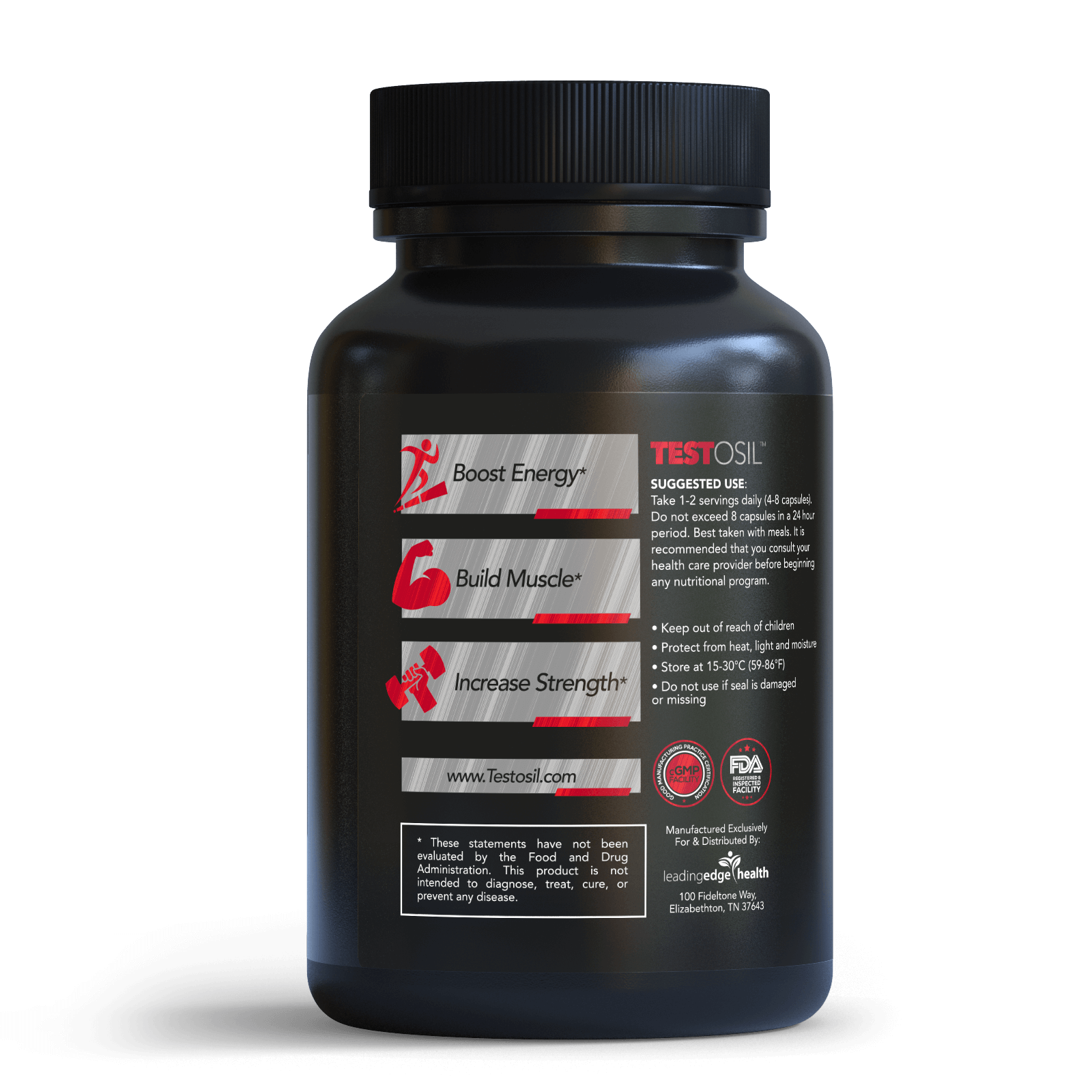
🧬 From 380 to 620 testosterone — full breakdown inside
Testosil vs. the Competition: An Honest Comparison
Having researched this category extensively before purchasing and continued following it during my ninety-day trial, here’s where Testosil honestly sits relative to its main competitors.
Testosil vs. TestoPrime: The formulas are genuinely similar in their core architecture — both use ashwagandha, D-AA, fenugreek, zinc, magnesium, and vitamin D. The meaningful differences: TestoPrime adds green tea extract, which introduces caffeine. This creates a stimulant effect that inflates the feeling of energy improvement without isolating whether the hormonal ingredients are doing their work. For men who want clean hormonal support without the caffeine variable, Testosil is preferable.
Testosil vs. Nugenix: Nugenix relies on a proprietary blend that conceals the dose of each ingredient. This is a transparency failure that matters — you cannot evaluate efficacy if you don’t know what you’re getting. Nugenix also costs more per month for less ingredient confidence. In retail availability, Nugenix wins by default (it’s everywhere). In formulation quality and value, Testosil wins clearly.
Testosil vs. Prime Male: Prime Male is specifically positioned at men over 40 and adds boron and luteolin — both of which have evidence for free testosterone support. The formula is solid. The cost is slightly higher and the value per capsule is lower at the recommended dosage. It’s a legitimate competitor; I chose Testosil primarily for the KSM-66 dosage and the clinical backing on the full formula.
Testosil vs. Testogen: Testogen adds ginseng and maca root — both with modest evidence for libido and energy support. However, the core hormonal ingredients are dosed below Testosil’s levels in most cases. The KSM-66 Ashwagandha distinction matters here; generic ashwagandha and KSM-66 are not equivalent in either bioavailability or clinical evidence.
The honest conclusion: Testosil sits in the top tier of the natural testosterone support category based on formulation transparency, clinical ingredient forms, dosing, and available research on the full product. It is not the cheapest option. It is not available in any physical store. But for men who have done their research and want the product most likely to produce measurable results, it’s the most defensible choice in this category.
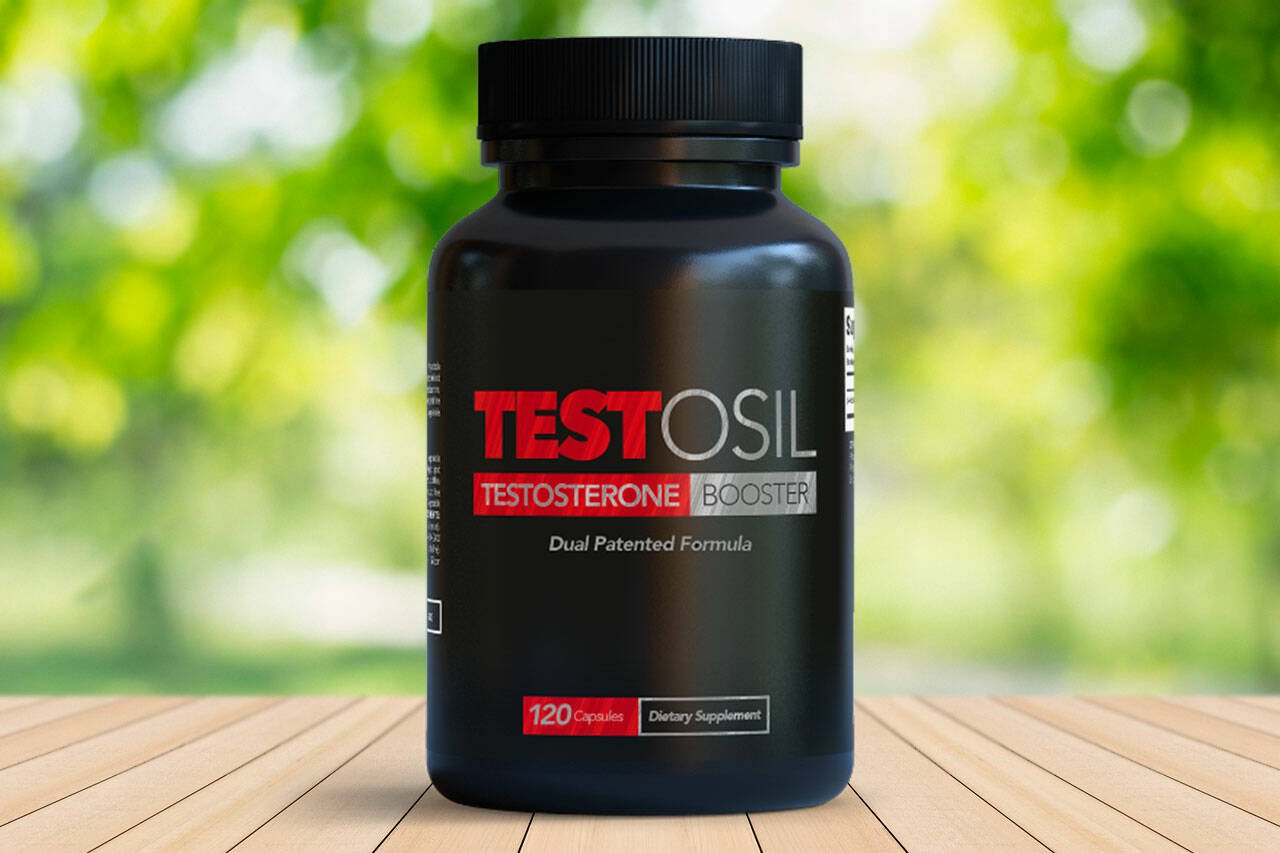
😳 My wife noticed the change before I did
Who Should Try Testosil — and Who Shouldn’t
Strong candidates:
Men between 35 and 65 experiencing the specific cluster of symptoms associated with sub-optimal testosterone: persistent fatigue, gym plateaus despite consistent training, declining libido, mood flattening, reduced motivation and assertiveness. Men who have had bloodwork done and are sitting in the 300–550 ng/dL range without a clinical diagnosis that requires pharmaceutical intervention. Men who want a non-pharmaceutical approach with a meaningful evidence base and full formulation transparency.
Not the right fit:
Men under 25 whose testosterone is naturally at its peak — supplementing healthy T levels with natural boosters produces minimal effect. Men already in the 700+ ng/dL range who are attributing symptoms to testosterone when the actual cause lies elsewhere. Men with prostate conditions, existing cardiovascular concerns, or on prescription medications — in all these cases, a physician’s evaluation is the starting point, not a supplement purchase. Men looking for the speed and magnitude of pharmaceutical TRT — this is a slower, safer, more physiologically conservative approach that requires patience.
Practical Guidance: Getting the Most From It
Based on ninety days of personal testing, here is what genuinely matters for results.
Take it with substantial meals. The fat-soluble components in the formula — Vitamin D3 primarily — absorb meaningfully better in the presence of dietary fat. Breakfast with eggs, a handful of nuts, or any meal with moderate fat content is ideal. Taking it on an empty stomach increases the risk of mild nausea and reduces the absorption of key compounds.
Shift the afternoon dose earlier. The magnesium in the formula contributes to sleep quality, but taking the second dose after 5pm can interfere with the wind-down process for some users. Early-to-mid afternoon is the sweet spot — you get the daytime hormonal support without the sleep disruption.
Treat sleep as a protocol requirement, not a lifestyle choice. Testosterone is primarily produced during deep sleep. A supplement designed to support testosterone production cannot overcome a sleep deficit. Seven to eight hours of consistent sleep is not optional if you want meaningful results — it’s the physiological environment the formula depends on.
Lift heavy. Resistance training — particularly compound movements that recruit large muscle groups — is the most potent natural stimulant of testosterone production available outside of pharmaceutical intervention. Testosil works with your body’s existing hormonal machinery. That machinery responds to physical stress. Progressive overload in the gym and daily supplementation are a synergistic combination.
Give it ninety days. The D-AA mechanism, the cortisol normalization from KSM-66, the gradual optimization of the HPG axis — none of these are acute processes. Thirty days gives you early signals. Sixty days gives you a trend. Ninety days gives you a real result. Evaluate at ninety, not thirty, and make your decision with complete information.
🛑 Don’t buy Testosil until you read this review
The Verdict After 90 Days
Testosil is not magic. I want to be precise about this. It did not transform me into a different person or produce results that required anything other than consistent use within a reasonably healthy lifestyle. Anyone who sells you magic is selling you something else.
What Testosil did — for me, measured objectively — was support my body’s own testosterone production from a sub-optimal baseline back to a range where I could feel and function the way I remembered from my mid-thirties. The 380-to-620 result on my bloodwork represents that recovery, not a pharmaceutical enhancement. It represents the difference between a body operating at suppressed output and a body operating closer to its actual capacity.
The subjective changes — the quality of sleep, the return of libido as something natural rather than deliberate, the gym progress, the mood and assertiveness, and the comment from my wife about me seeming different — all mapped accurately to what a 63% improvement in serum testosterone would predictably produce. The subjective and objective data told the same story. That consistency matters for how I interpret this result.
Would I buy it again? Yes, without hesitation, and I have. The 6-month package reduces the per-month cost substantially and provides enough runway for a complete hormonal optimization cycle.
My rating: 8.7 out of 10. Deductions for price (it’s not cheap), online-only availability (you have to plan ahead), and the patience requirement that will cause some users to quit before reaching the 90-day window where results are most visible. The score reflects a product that does what it claims to do, for the population it’s designed for, at a price that’s justified by the evidence and the results — but not one that will work miracles for people outside its target application.
Where to Buy Testosil — And Where Absolutely Not To
The only legitimate source for Testosil is the official manufacturer website operated by Leading Edge Health. This is not a preference — it’s a practical reality based on the documented counterfeit problem in the supplement industry. Third-party marketplace listings, auction site sellers, and retail store knock-offs have been found to contain formulas that differ materially from the genuine product.
Testosil is not available at GNC, Walmart, CVS, or any physical retailer. If you see it in a store or on a marketplace listing that isn’t the official site, you are looking at a counterfeit or a different product entirely. The online-only distribution model is a deliberate choice by the manufacturer — it keeps overhead lower, prices more competitive, and formulation consistency higher than retail channel requirements would allow.
The 3-month supply is the minimum I’d recommend purchasing for a genuine trial. The 6-month package offers the best per-unit pricing and aligns with the timeline needed for full hormonal optimization. The manufacturer offers a satisfaction guarantee — verify the current terms on the official site, as these can change. The guarantee meaningfully reduces the financial risk of a first purchase, particularly for men who are understandably skeptical.
Frequently Asked Questions for Testosil Review
Does Testosil work if your testosterone is already high?
Probably not meaningfully. The primary mechanisms — cortisol reduction, LH stimulation, removal of conversion pathways — produce the most significant results in men whose testosterone is suppressed or sub-optimal. Men with naturally high T (700+ ng/dL) have a much smaller delta available and are unlikely to notice significant effects.
Can I take Testosil if I’m on TRT?
Consult your prescribing physician. Combining a natural LH stimulant (D-AA) with exogenous testosterone may not be advisable depending on your specific protocol and health profile. This is a medical question, not a supplement-company question.
How does it compare to actual TRT?
TRT produces faster, more dramatic, and more controllable results than any natural supplement. It also carries greater risks: testicular atrophy (the testes stop producing testosterone when you supply it externally), elevated hematocrit, potential cardiovascular implications, and a long-term dependency on exogenous hormone administration. Testosil supports your body’s own production — it works with your physiology rather than replacing it. The ceiling is lower; the safety profile is more conservative; the timeline is longer. For men who aren’t clinical candidates for TRT, or who prefer to exhaust natural options first, Testosil represents a credible middle path.
📈 The real reason your testosterone is dropping after 40
What if I see nothing at thirty days?
Don’t conclude anything at thirty days. The hormonal optimization process this formula initiates operates on a multi-week timeline. Thirty days is often the period where sleep quality has improved and gym performance has begun to shift — the more dramatic changes in libido, mood, and measurable testosterone typically consolidate between weeks six and twelve. Judge at ninety, not thirty.
Is the money-back guarantee real?
Based on everything I’ve found, yes — Leading Edge Health has a long-standing reputation in the supplement industry and their guarantee policies are genuine. Verify current terms on the official site, as specific timelines and conditions can change.
Testosil Testosil Testosil Testosil Testosil Testosil Testosil Testosil Testosil Testosil Testosil Testosil Testosil Testosil Testosil Testosil Testosil Testosil Testosil Testosil Testosil Testosil Testosil Testosil Testosil Testosil Testosil Testosil Testosil Testosil Testosil Testosil Testosil Testosil Testosil Testosil Testosil Testosil Testosil Testosil Testosil Testosil Testosil Testosil Testosil Testosil Testosil Testosil Testosil
Disclaimer: This article reflects one individual’s personal experience over ninety days of product use. Results vary significantly based on baseline testosterone, age, lifestyle, diet, sleep quality, and numerous individual health factors. This content is for informational purposes only and does not constitute medical advice, diagnosis, or treatment recommendation. Always consult a qualified healthcare provider before beginning any supplement regimen, particularly if you have existing health conditions or take prescription medications. Individual results are not guaranteed.